
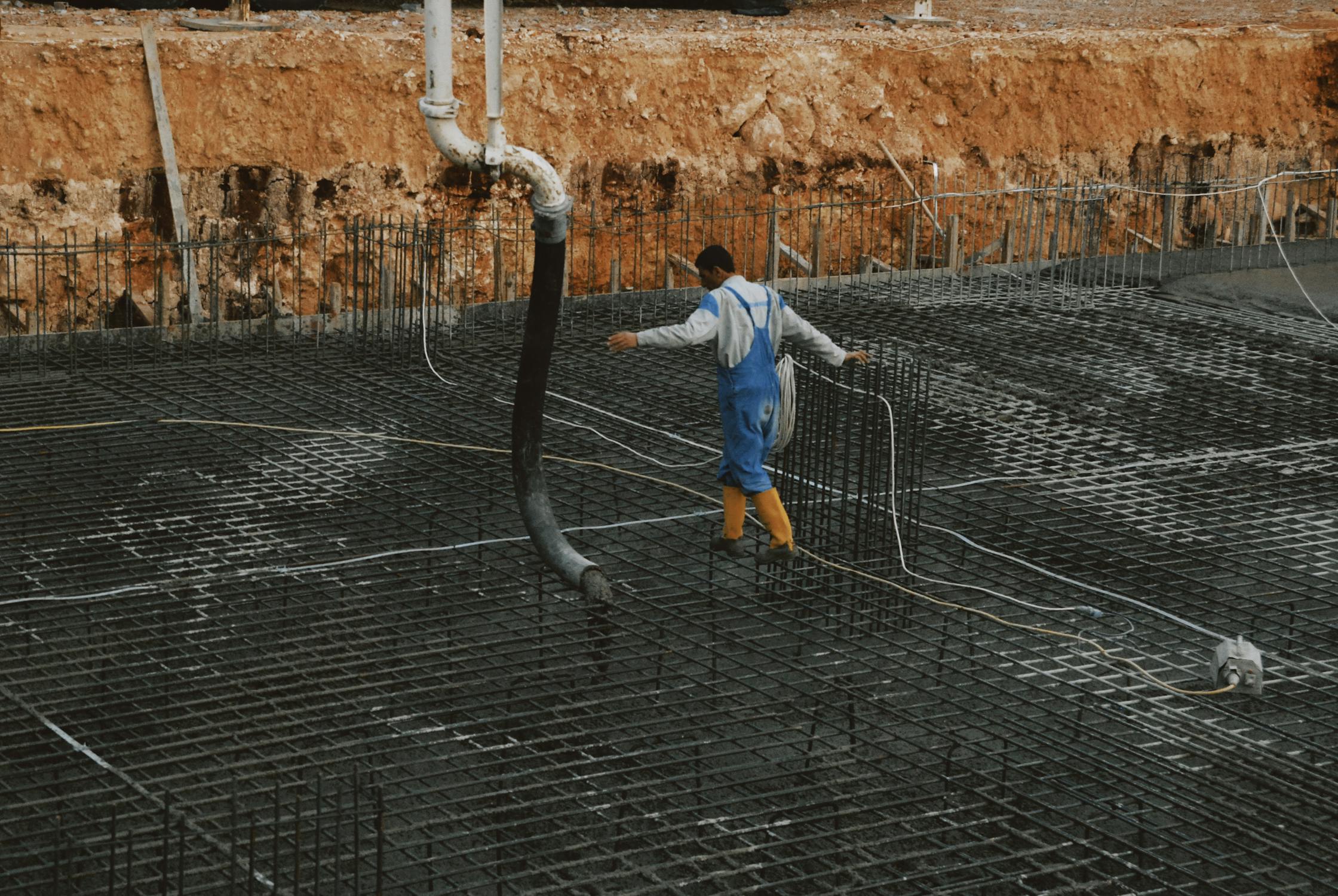
What Is Below Grade Waterproofing?
Below grade waterproofing refers to any system applied to the exterior or interior of a building’s foundation walls and floor slabs below the finished grade line—in other words, any part of the structure that is buried in soil. Unlike above-grade building envelopes where water management relies on cladding, flashing, and drainage, below-grade assemblies must contend with sustained hydrostatic pressure, capillary action through concrete, and aggressive soil chemistry. Getting it wrong means wet basements, structural deterioration, and costly remediation.
For contractors and builders working on residential, commercial, or agricultural foundations, choosing the right below-grade waterproofing system is one of the most critical decisions in the entire construction sequence. Hulk Systems Evolved Composite Waterproofing is built specifically for this environment. Explore our full waterproofing systems lineup to see all available solutions.
Why Below Grade Waterproofing Matters
Hydrostatic Pressure
Water in saturated soil exerts lateral pressure against foundation walls and upward pressure against slabs. The deeper the excavation and the higher the water table, the greater this hydrostatic load. A waterproofing membrane that cannot withstand sustained hydrostatic pressure—whether from poor adhesion, brittleness, or seam failure—will allow water ingress at even modest soil saturation levels.
Water Table Conditions
In many regions of North America—particularly the Canadian prairies, the US northern plains, and coastal areas—water tables are seasonally high or permanently elevated. Foundation walls in these zones must be treated as if they will be submerged for extended periods. This demands a waterproofing system with excellent hydrostatic resistance, strong substrate adhesion, and no seam vulnerabilities.
Soil Chemistry and Root Intrusion
Clay-heavy and chemically active soils can attack bituminous waterproofing compounds over time. Organic matter in soil creates microbial environments that degrade asphalt-based products. Root intrusion through seams and lapped edges is a common failure mode in traditional sheet membrane installations on exterior foundation walls.
Types of Below Grade Waterproofing Systems
Sheet Membrane (Peel and Stick)
Sheet membranes—commonly bituminous peel-and-stick or rubberized asphalt—are the most widely used below-grade waterproofing product in North America. They are installed as overlapping courses on the exterior foundation face. Pros: widely available, familiar installation process, reasonable cost per square foot. Cons: lap seam failures, adhesion problems on non-concrete substrates (ICF, SIP, OSB), UV sensitivity during installation window, brittleness in cold climates, and inability to achieve Class A fire rating.
Spray-Applied Composite Membranes
Spray-applied waterproofing membranes are liquid-applied systems that cure to form a monolithic, seamless coating. Our acrylic waterproofing membrane is the foundation of the Hulk Systems composite approach. Pros: no seams, superior adhesion to irregular substrates, faster installation, UV-safe formulation (for acrylic systems), Class A fire rating achievable. Cons: requires appropriate spray equipment and trained applicators.
Crystalline Waterproofing
Crystalline products work by reacting with concrete to form insoluble crystals that block water passages within the concrete matrix. These are excellent for concrete substrates but do not work on ICF, SIP, or wood assemblies. They also offer no meaningful protection against UV or root intrusion.
Bentonite Waterproofing
Bentonite clay panels hydrate and swell upon contact with water, self-sealing minor gaps. They perform well in consistent soil contact but are not suitable for ICF or foam-faced foundations, and they can be disrupted by contaminated groundwater or salty soils.
Why Composite Spray-Applied Systems Are Gaining Market Share
The shift from peel-and-stick to spray-applied composite waterproofing is accelerating across the construction industry for several converging reasons. ICF and SIP construction is growing, and these substrates demand spray-applied solutions. Labor costs are rising, making the 3-4x speed advantage of spray application economically significant. Fire codes are tightening, and Class A rated products like Hulk Systems composite waterproofing are increasingly specified in project documents. And contractors who have experienced sheet membrane failures firsthand are actively seeking more reliable alternatives.
For high water table applications—basements, foundation walls in areas with seasonal flooding, agricultural buildings—spray-applied composite systems deliver a continuous, monolithic barrier with no seam vulnerabilities and superior hydrostatic resistance.
Find a Hulk Systems Dealer Near You
Hulk Systems certified installers are available across North America. Whether you need a below-grade waterproofing solution for a standard concrete foundation, an ICF build, or a challenging high water table site, we have a system and a dealer for you.
Find a dealer at hulksystem.com/supplier-locator or call 1-833-485-5797. Hulk Systems · hulksystem.com · 1-833-485-5797 · Evolved Composite Waterproofing