
What Is Bituminous Waterproofing? Bituminous waterproofing is the dominant category of below-grade waterproofing product sold in North America today. Bituminous products are based on bitumen—a viscous, petroleum-derived hydrocarbon that is the primary component of asphalt and is also produced as a byproduct of coal tar processing. In waterproofing applications, bitumen is modified with rubber compounds or polymer additives to improve … Read More
How to Become a Hulk Systems Certified Installer: What Contractors Need to Know
What the Hulk Systems Dealer Program Offers Hulk Systems is expanding its certified installer and dealer network across North America. As demand for composite waterproofing grows—driven by the rise of ICF construction, increasing code requirements for Class A fire-rated products, and contractor dissatisfaction with peel-and-stick system failures—the need for qualified Hulk Systems installers in every major construction market is growing … Read More
Wood Shoring Waterproofing: Protecting OSB and Plywood Foundations Below Grade
What Is Wood Shoring and Leave-In-Place Shoring? Wood shoring is a foundation forming and retention system in which structural wood products—typically oriented strand board (OSB), plywood, or dimensional lumber—are used to retain soil during excavation and to form concrete pours. In some construction methods, this shoring is temporary and removed after the concrete has cured. In leave-in-place shoring applications, the … Read More
Class A Fire Rated Waterproofing: Why It Matters for ICF and Below-Grade Construction
What Does Class A Fire Rating Mean for Waterproofing? Fire ratings in building products are assigned through standardized testing that measures a material’s behavior when exposed to fire. For surface-applied products like waterproofing membranes, the relevant classification is the flame spread index, which measures how rapidly flame spreads across a material’s surface when exposed to a standardized flame source. Class … Read More
SIP Waterproofing: How to Protect Structurally Insulated Panel Foundations Below Grade
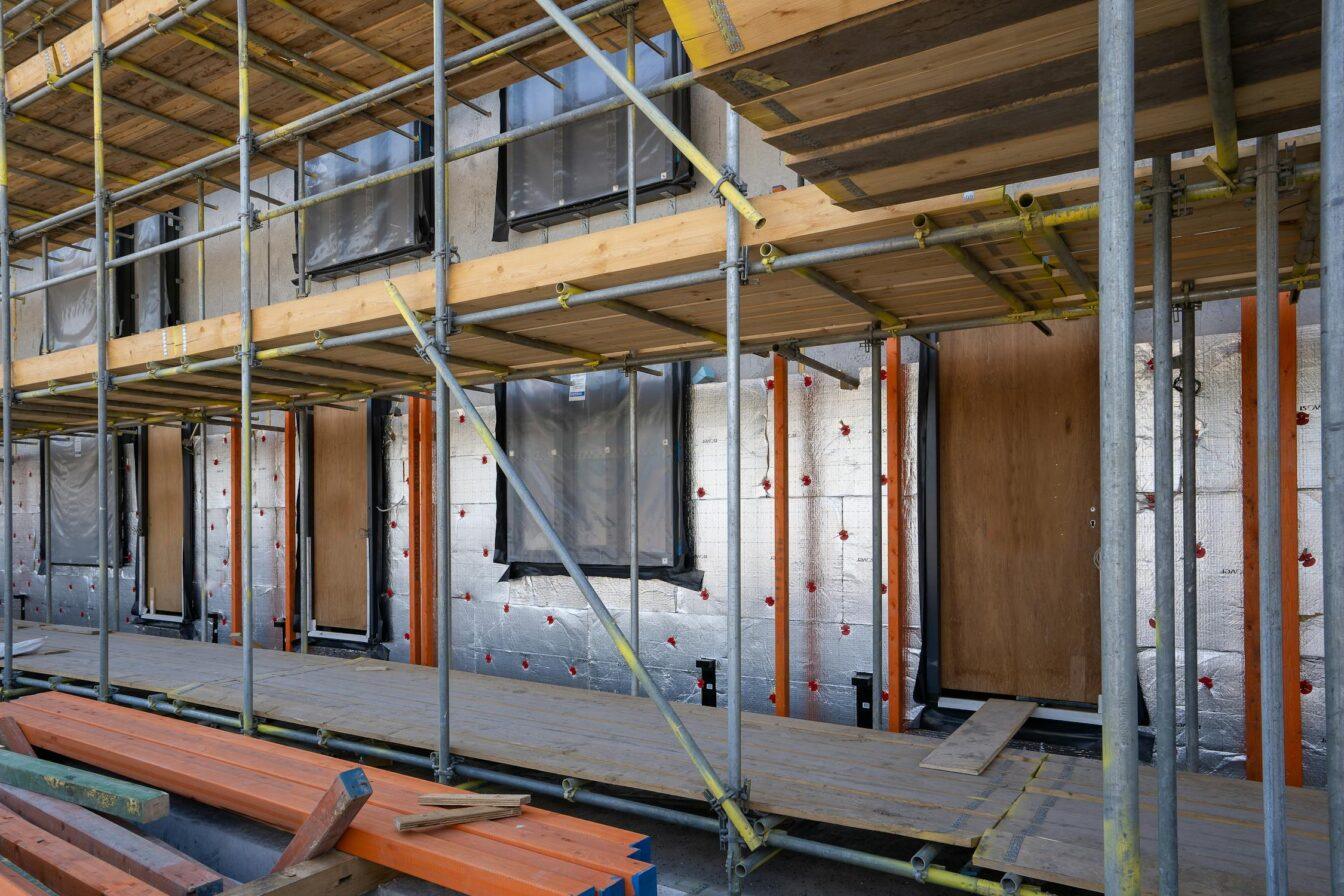
What Are SIP Structures? Structurally Insulated Panels (SIPs) are high-performance building panels used in floors, walls, and roofs for residential and light commercial construction. A SIP consists of an insulating foam core—typically expanded polystyrene (EPS)—sandwiched between two structural facing boards, most commonly oriented strand board (OSB). SIPs are popular for their exceptional thermal performance, rapid installation, and structural efficiency. They … Read More
ICF Waterproofing for Hutterite Colony Construction: Why Agricultural Builders Choose Hulk Systems
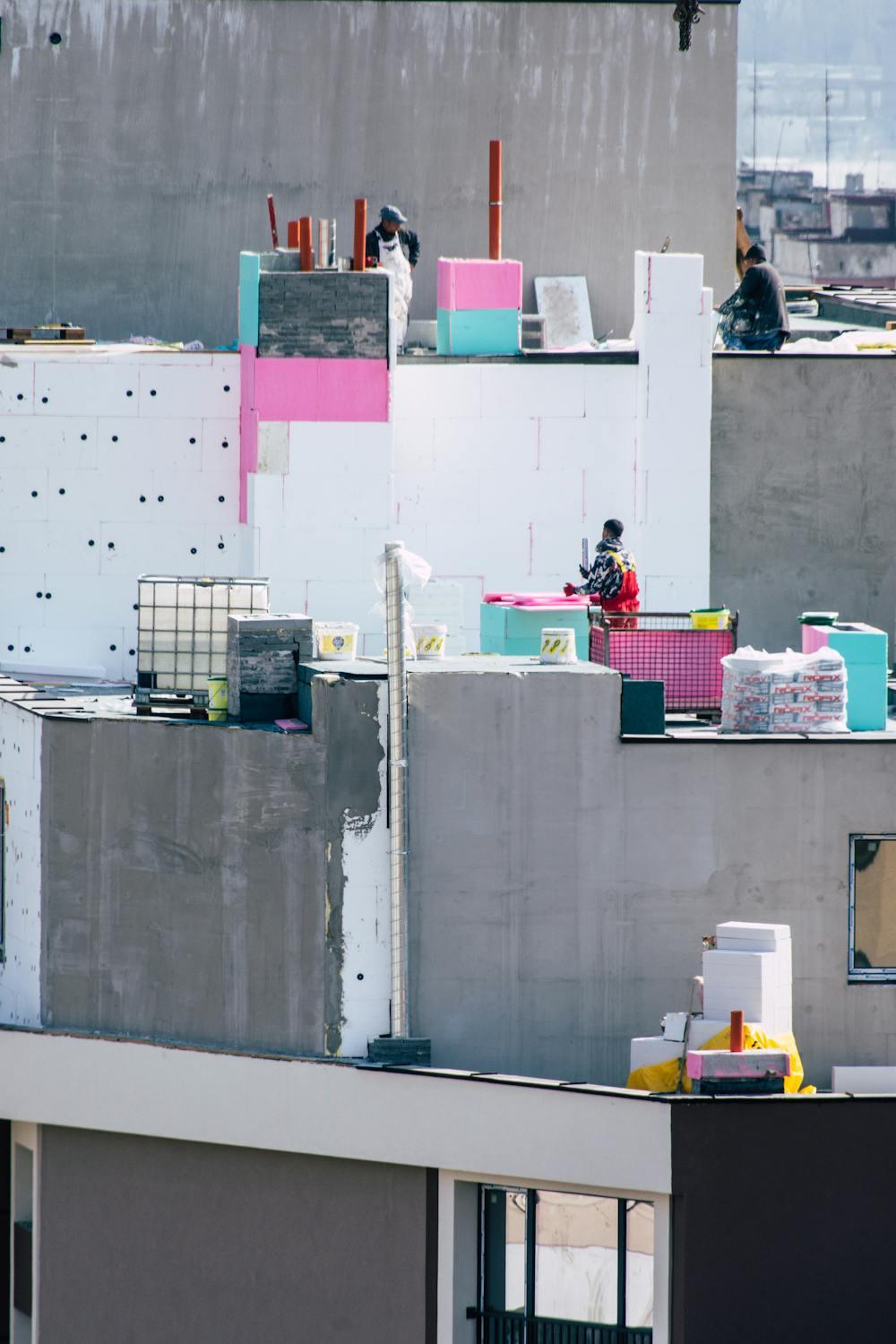
Hutterite Colony Construction: A Unique Building Context Hutterite colonies are self-contained agricultural communities found primarily across Alberta, Saskatchewan, Manitoba, and the northern plains states. Known for large-scale communal buildings—dining halls, livestock barns, machine shops, and residential quarters—Hutterite construction tends to favor durable, energy-efficient building methods that minimize long-term maintenance. ICF (Insulated Concrete Form) construction has become a dominant building method … Read More
What Is Composite Waterproofing and Why Are Contractors Switching to It?
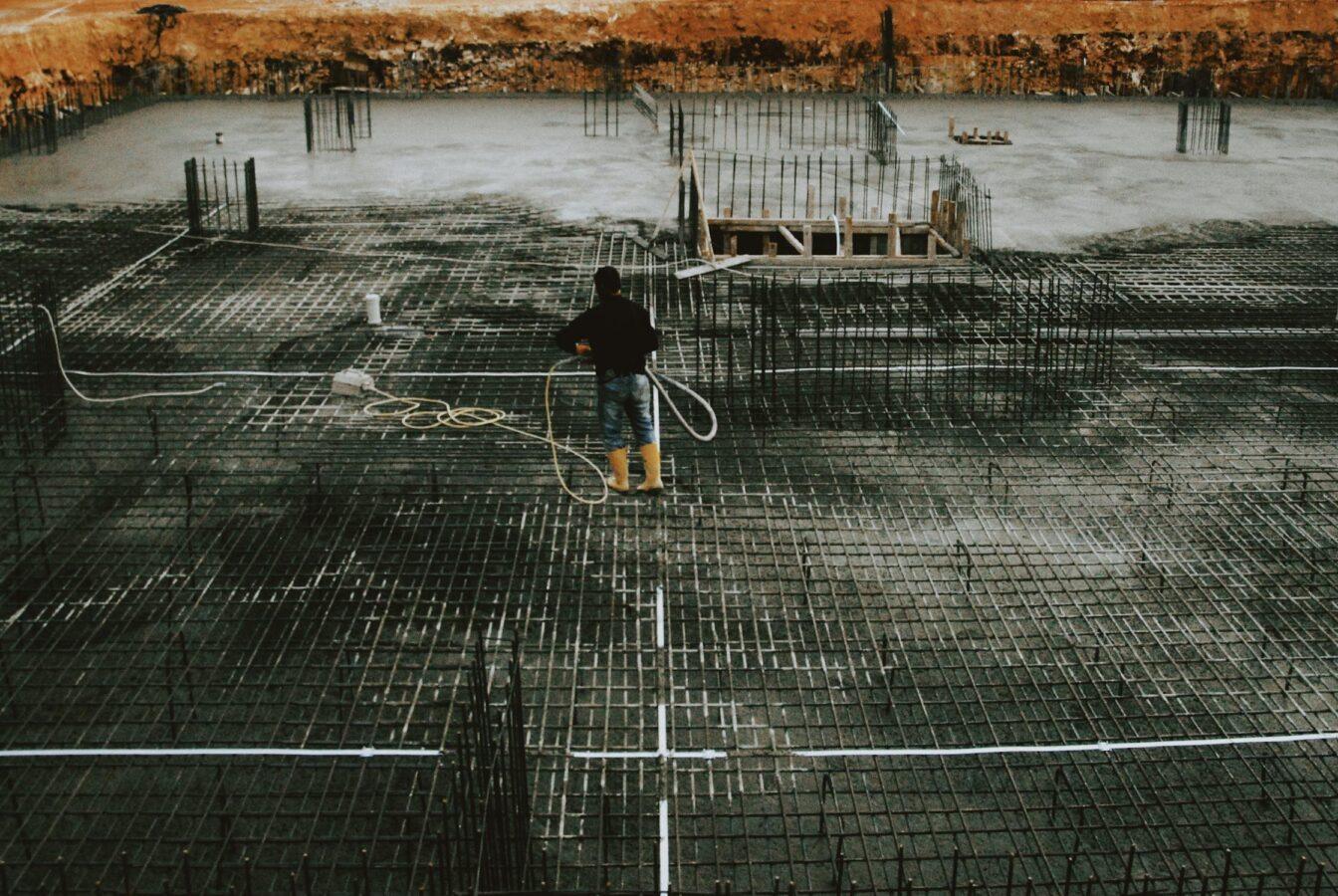
Defining Composite Waterproofing Composite waterproofing is a building science term that describes a waterproofing approach combining the performance attributes of multiple individual waterproofing technologies into a single, unified system. Rather than relying on one material—a sheet membrane, a crystalline admixture, or a single-layer spray coating—composite systems layer complementary technologies to deliver protection that exceeds what any single component could achieve … Read More
Spray Applied Waterproofing Membrane: Advantages Over Peel and Stick for Foundation Applications
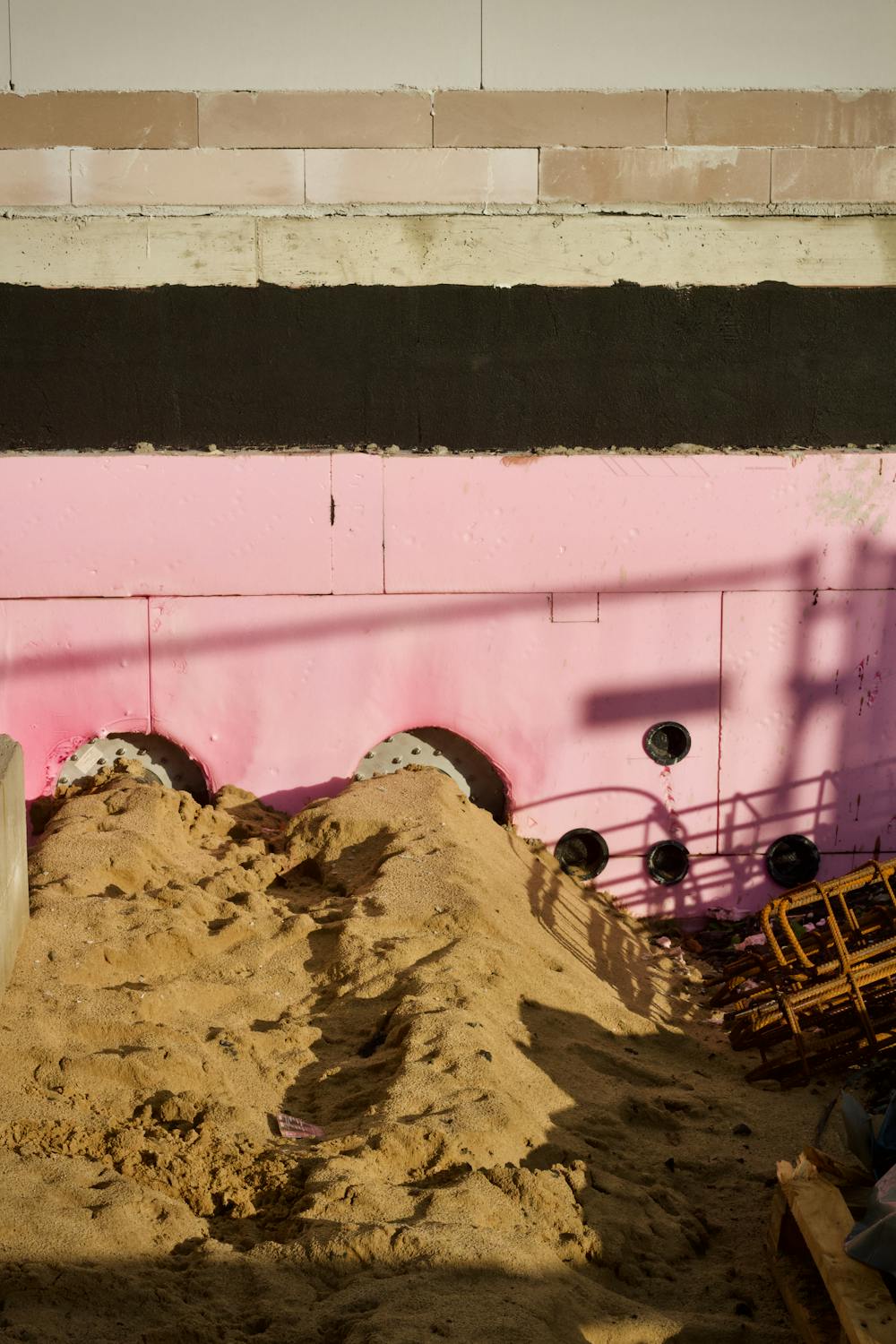
How Spray Applied Waterproofing Works Spray-applied waterproofing membranes are liquid systems delivered through airless or air-assisted spray equipment and applied directly to the substrate surface. Unlike sheet membranes that arrive as pre-manufactured rolls and must be cut, lapped, and pressed into place, spray-applied systems begin as a liquid and cure in place—conforming perfectly to every surface irregularity, corner transition, and … Read More
Below Grade Waterproofing: The Complete Guide for Contractors and Builders
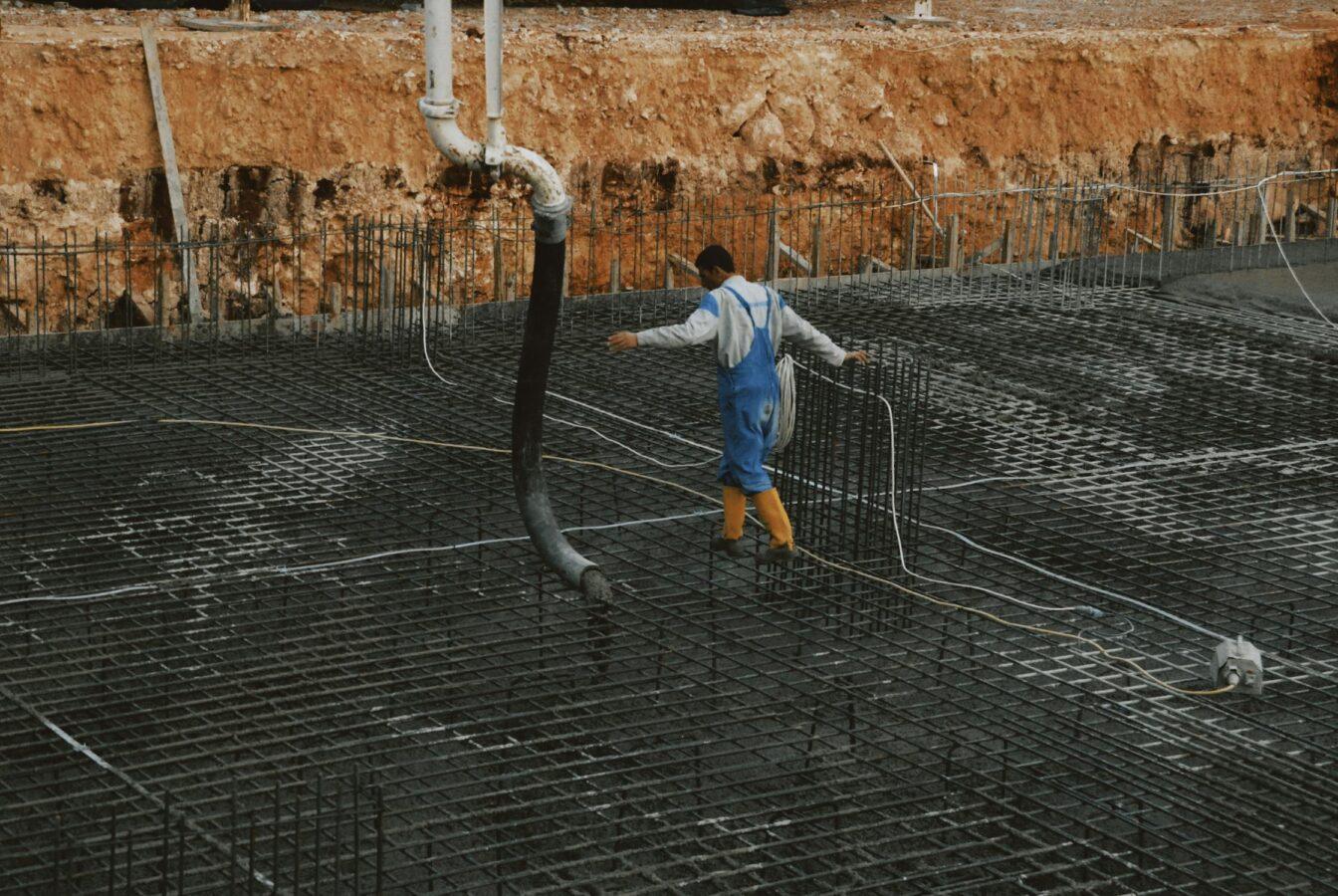
What Is Below Grade Waterproofing? Below grade waterproofing refers to any system applied to the exterior or interior of a building’s foundation walls and floor slabs below the finished grade line—in other words, any part of the structure that is buried in soil. Unlike above-grade building envelopes where water management relies on cladding, flashing, and drainage, below-grade assemblies must contend … Read More
ICF Block Waterproofing: Why Composite Systems Outperform Traditional Sheet Membranes
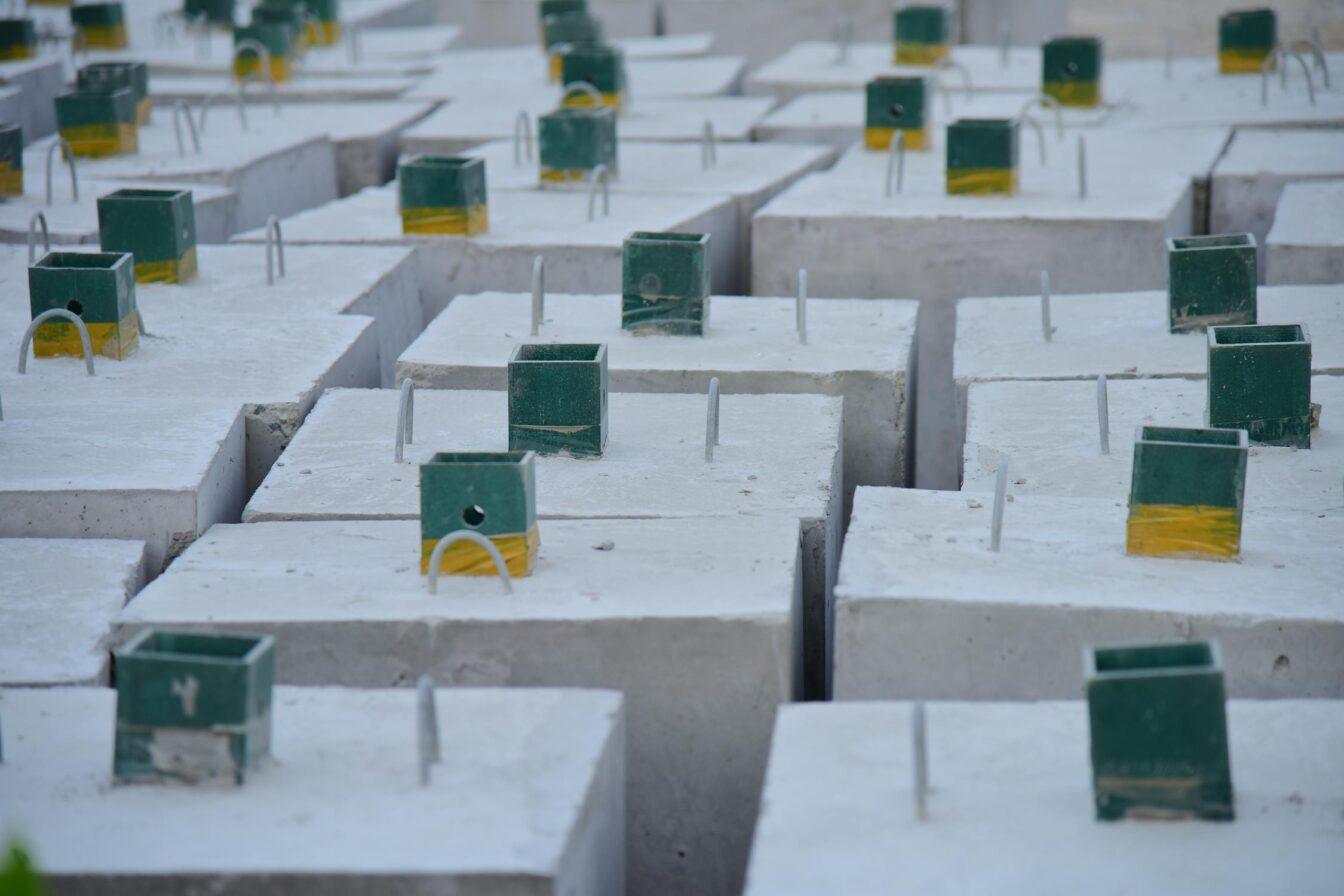
What Is ICF Block Construction? Insulated Concrete Form (ICF) construction has become one of the most popular building methods for residential and commercial foundations across North America. ICF blocks are hollow foam forms—typically expanded polystyrene (EPS)—that are stacked, filled with reinforced concrete, and left in place permanently. The result is a monolithic concrete wall with continuous insulation on both sides, … Read More
- Page 1 of 2
- 1
- 2