
What Is Wood Shoring and Leave-In-Place Shoring?
Wood shoring is a foundation forming and retention system in which structural wood products—typically oriented strand board (OSB), plywood, or dimensional lumber—are used to retain soil during excavation and to form concrete pours. In some construction methods, this shoring is temporary and removed after the concrete has cured. In leave-in-place shoring applications, the wood panels remain as a permanent part of the below-grade assembly, either as a sacrificial form against which waterproofing is applied, or as a structural substrate that is intended to remain in the ground.
Leave-in-place wood shoring is common in residential construction in regions where soil conditions, project timelines, or access constraints make removal impractical. The challenge is that the exposed OSB or plywood face of the shoring becomes the substrate for the waterproofing system—and wood substrates present adhesion challenges that most waterproofing products are not designed to handle. Hulk Systems has developed a purpose-built solution for this application. Explore the Hulk Systems wood shoring waterproofing system.
Why Standard Waterproofing Systems Fail on OSB and Plywood
Adhesion Failure on Wood Substrates
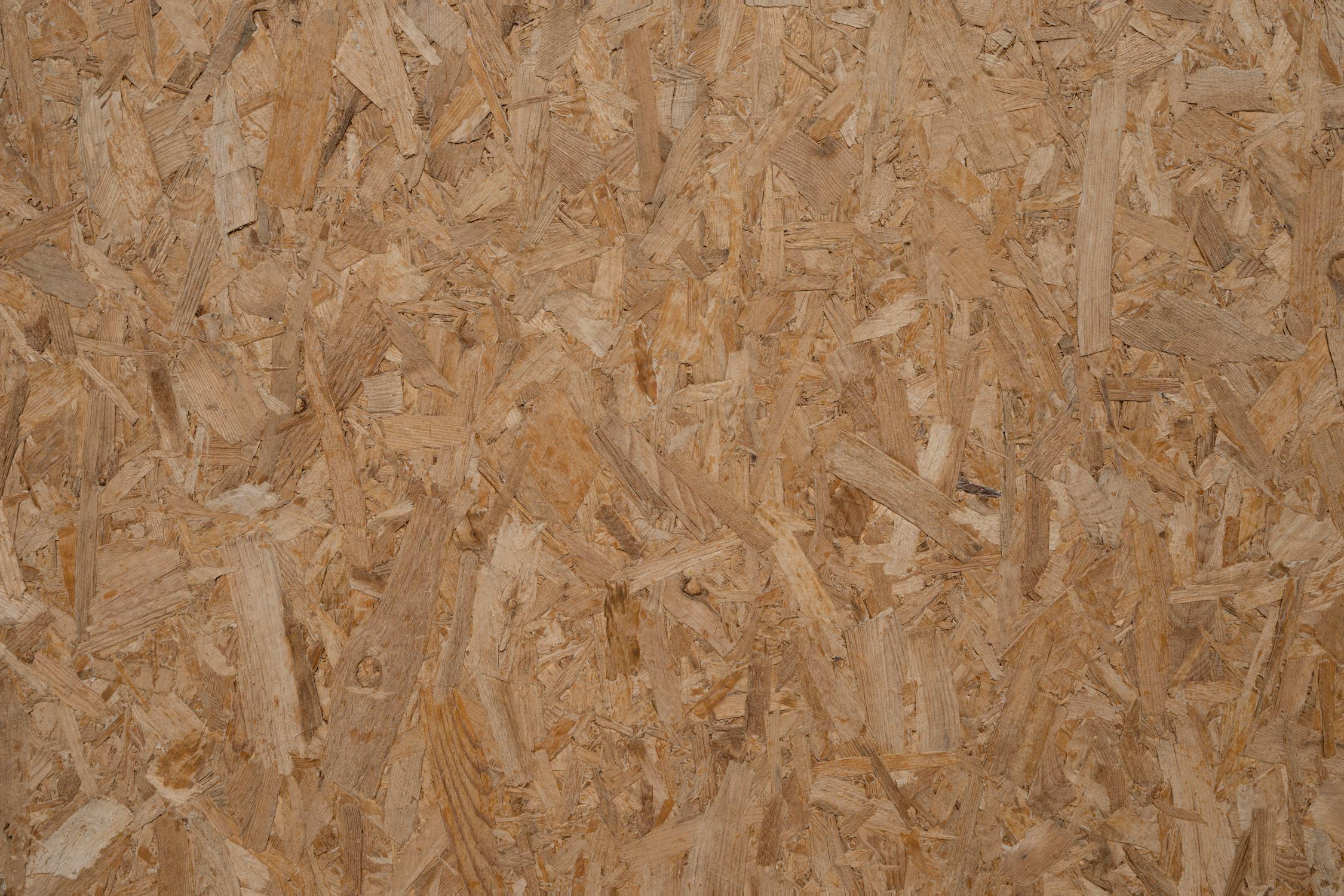
Peel-and-stick bituminous membranes rely on a pressure-sensitive adhesive designed for concrete surfaces. OSB and plywood are fundamentally different substrates: rough, fibrous, dimensionally variable, and chemically incompatible with many adhesive systems. The resin binders in OSB and plywood can interfere with membrane adhesive chemistry, reducing bond strength. The rough texture of OSB creates a highly variable contact surface where full adhesive contact is impossible to achieve, leaving voids behind the membrane that become migration paths for water.
Moisture Swelling and Panel Delamination
Wood products absorb moisture and expand. Even if a sheet membrane initially adheres to an OSB substrate, the dimensional changes in the wood as it cycles between dry and wet conditions create shear forces that progressively weaken the membrane-to-substrate bond. Eventually the membrane separates from the substrate, water accesses the wood directly, and the wood begins to deteriorate. Rotting wood shoring can compromise the structural integrity of the below-grade assembly and create pathways for water and soil gas intrusion.
Cold Temperature Application Challenges
In cold climates, OSB and plywood shoring often has moisture on its surface from rain, dew, or frost. Sheet membrane adhesives require clean, dry surfaces for proper bonding. Applying a peel-and-stick membrane to a cold, damp wood surface in October in Alberta is a recipe for adhesion failure. Hulk Systems acrylic composite waterproofing has better tolerance for low-temperature application and slightly damp surfaces than pressure-sensitive bituminous systems, making it more reliable in real-world construction conditions.
How Hulk Systems Wood Shoring System Is Formulated for Wood Substrates
The Hulk Systems wood shoring waterproofing system uses the same acrylic composite technology as our other systems, but is specifically configured for wood substrate applications. The acrylic membrane formulation is compatible with wood resin chemistry and achieves strong adhesion to both OSB and plywood surfaces when proper surface preparation is followed. The spray application fills the rough OSB surface topography, creating a fully adhered coating with no bridging voids or unbonded areas.
The SRT textile reinforcement in the composite system accommodates the dimensional movement of wood substrates under moisture cycling, preventing membrane cracking or delamination as the wood expands and contracts. The result is a waterproofing system that actively accommodates the most challenging behavior of wood substrates rather than fighting against it. Our acrylic membrane is the backbone of this system, providing the chemical compatibility and flexibility required for long-term performance on wood.
Application Process for Wood Shoring
Hulk Systems certified installers approach wood shoring applications with surface preparation as the first priority: removing any standing water, frost, or form release agents from the OSB surface, addressing panel joints with detail treatment before the full membrane application, and ensuring the wood substrate is as clean and stable as possible. The composite system is then applied in the same sequence as on other substrates: acrylic membrane spray, SRT textile embedment, topcoat, and protection course. The result is a fully adhered, seamless waterproofing system on wood shoring that provides reliable below-grade moisture protection for the life of the building.
Performance in Wet Soil Conditions
Leave-in-place wood shoring in wet soil conditions presents the most aggressive waterproofing challenge. The Hulk Systems wood shoring system has been installed successfully on projects with high water tables, heavy clay soils, and seasonal soil saturation. The key to long-term performance is the combination of strong substrate adhesion, seamless membrane continuity, and impact resistance during backfill—all properties delivered by the Hulk Systems composite approach.
Find a Hulk Systems Dealer Near You
If you have a project with wood shoring or leave-in-place OSB foundations that needs a waterproofing solution specifically designed for wood substrates, Hulk Systems certified dealers can provide the right system and application expertise.
Find a dealer at hulksystem.com/supplier-locator or call 1-833-485-5797. Hulk Systems · hulksystem.com · 1-833-485-5797 · Evolved Composite Waterproofing